Factors Underground Covered in This Article
1 Deep Fill Sites and Why a Soil Test Matters
Zoning and overlays establish what may be permitted on a site. They do not explain what sits below the surface, how excavated material will be classified or whether the proposed building can be supported economically.
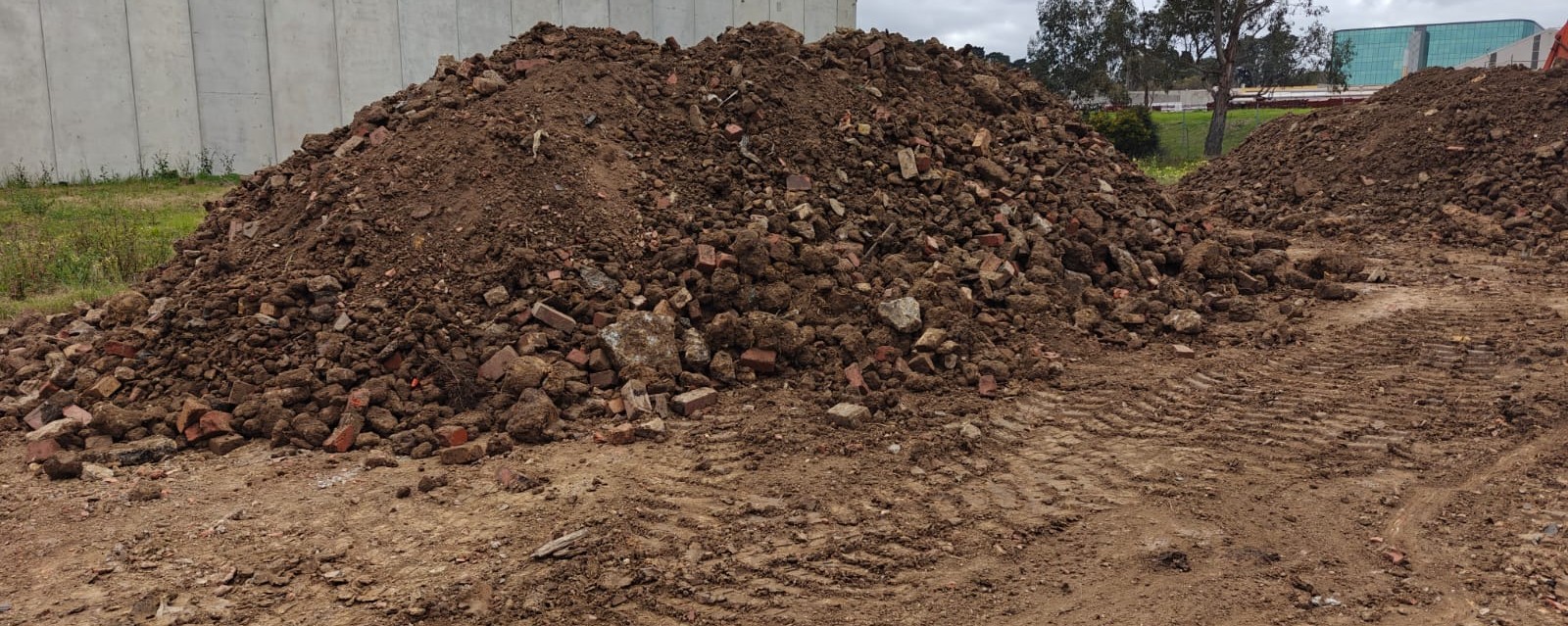
Deep mixed fill is a good example. A site may appear level and readily developable while containing many metres of imported soil, brick, concrete, timber, plastic and demolition debris. In some locations, fill can extend beyond 10 metres. Earthworks, disposal, foundations, slab design, programme and contingency can all change as a result.
Boreholes in a geotechnical report can indicate the natural ground level, groundwater depth, fill depth and strength of each material layer. A basic investigation can often be completed in one day and may cost around $1,000, depending on access, borehole depth and the required scope. Early knowledge of the subsurface conditions gives the developer better information for the acquisition strategy and feasibility study.
2 How Deep Mixed Fill Changes the Construction Budget
Mixed fill can cost around twice as much as clean fill to dispose of, depending on its classification, the receiving facility and transport requirements. The difference becomes material when it is applied to the full volume of a basement excavation, building platform or major site cut.
Uncontrolled or weak fill may not provide a suitable founding layer. Bored piers, screw piles or another engineered system may be required to transfer building loads to competent natural material below. Dozens, or even more than one hundred, deep foundation elements can add substantial cost. A slab supported over variable fill may also require additional reinforcement, while local soft spots may need to be removed and replaced with engineered material.
3 Foundation Cost Risks on Deep Fill Sites
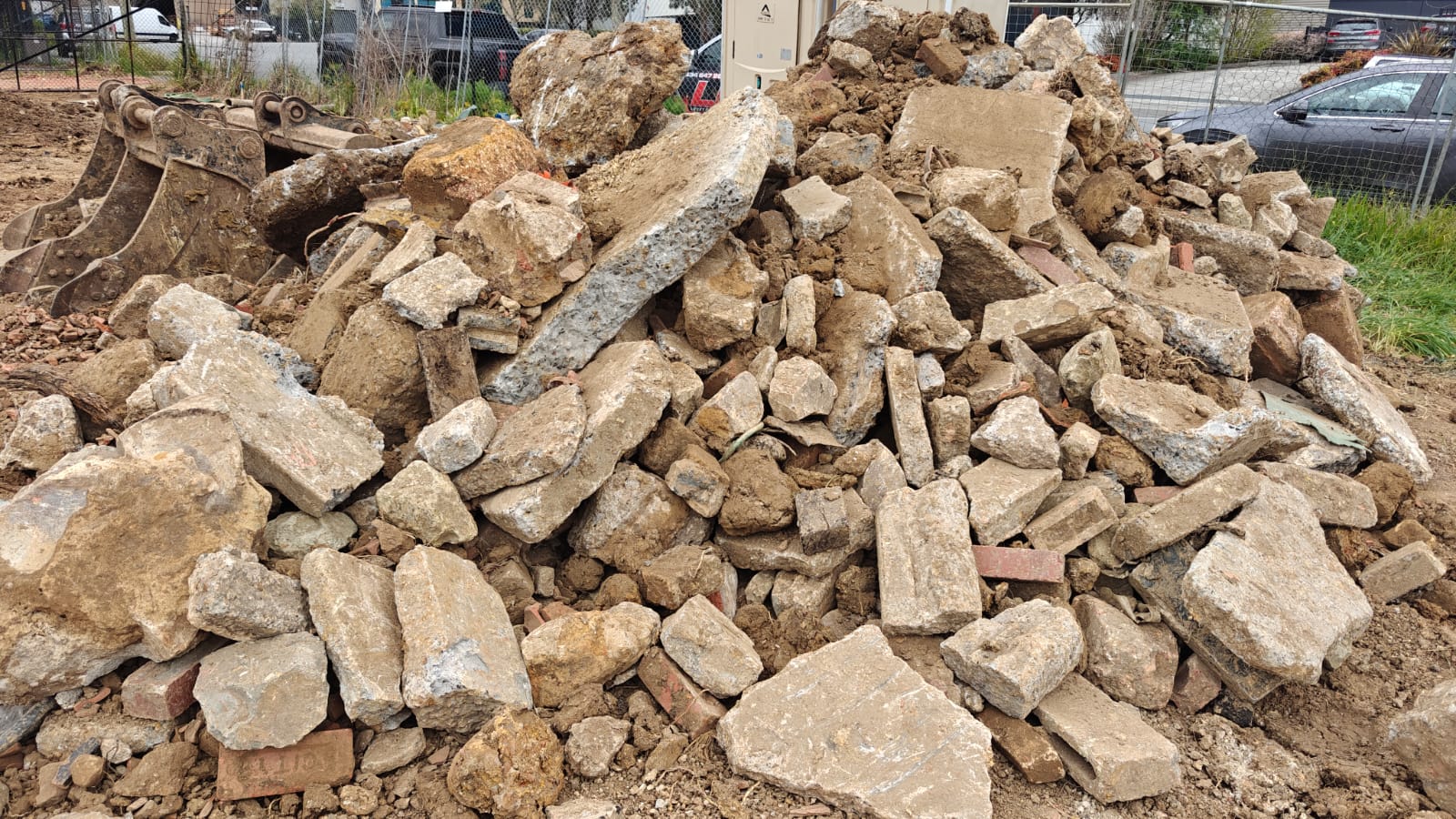
Buried obstructions introduce another uncertainty. If a piling rig meets a large concrete block at depth, the contractor may need to revise the pile position, use different tooling or bring in separate equipment to break through it. Each response affects time, plant cost and design coordination.
4 Double Sifting as a Mixed Fill Strategy
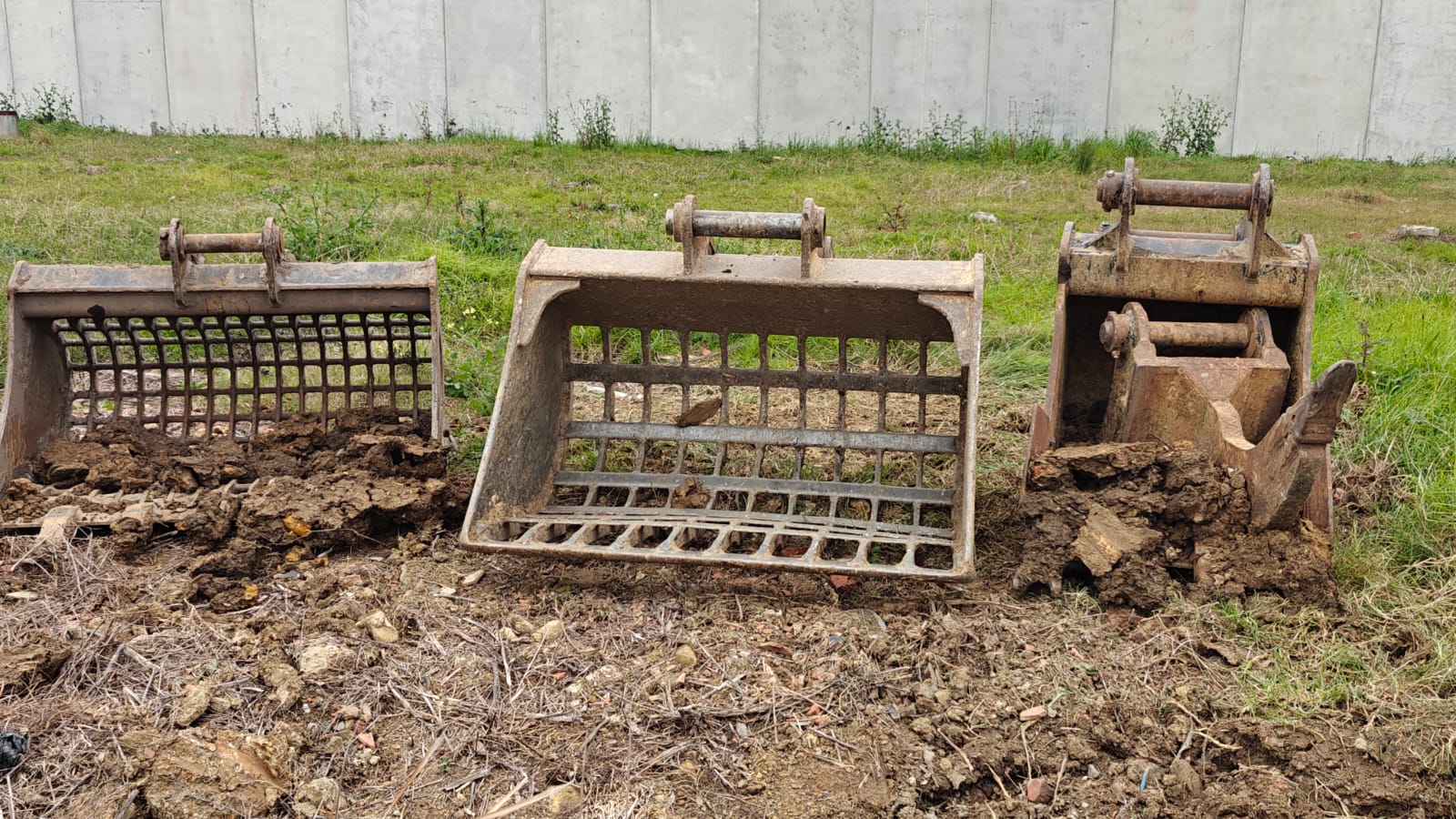
Where material can be separated safely and its classification is confirmed, sending every excavated cubic metre away as mixed fill may be unnecessarily expensive. Double sifting uses additional labour and plant time to divide the excavation into more useful disposal streams.
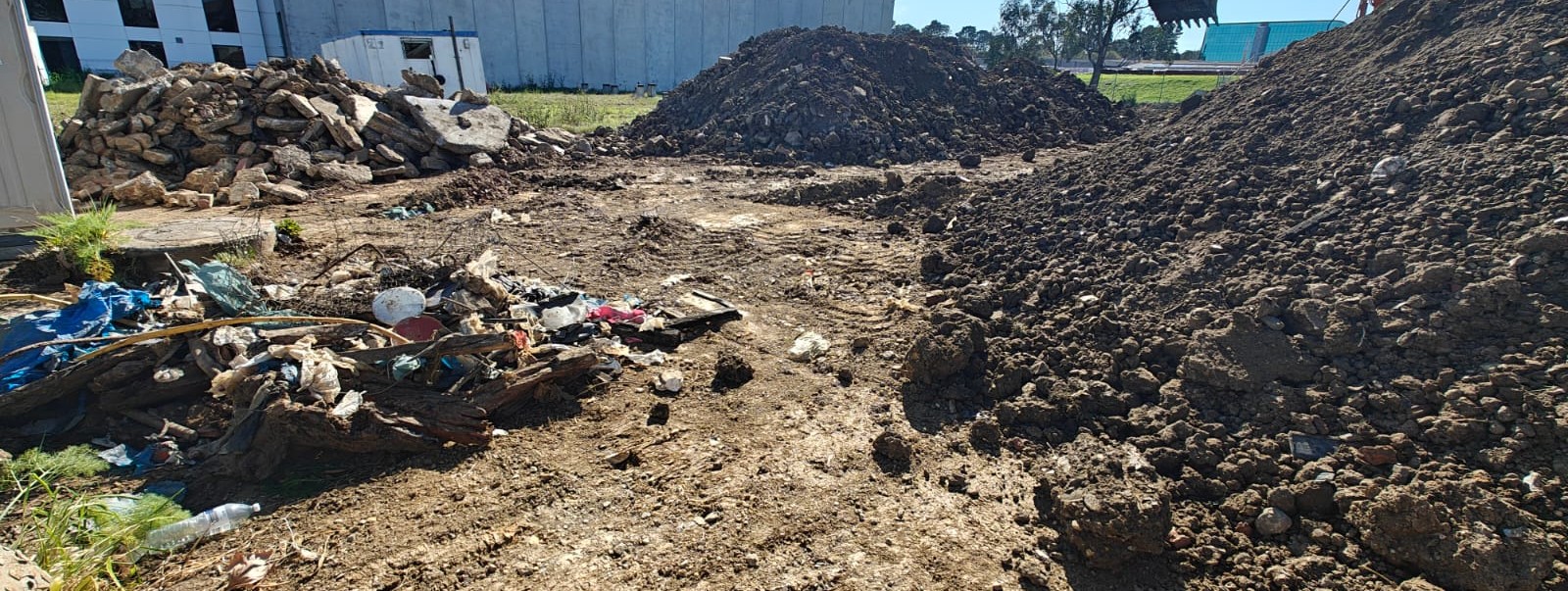
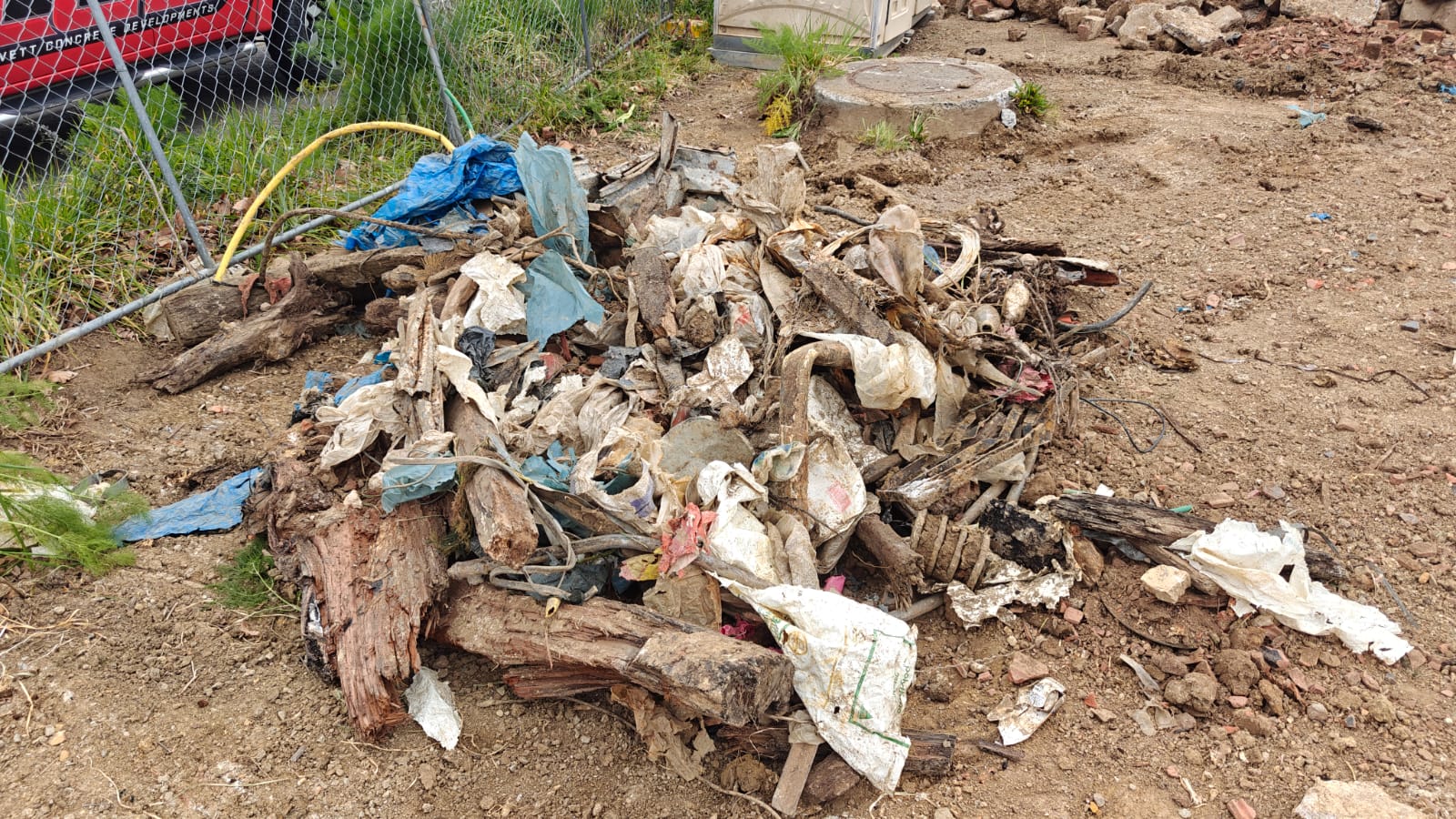
Plastic, timber and general rubbish can be collected for the appropriate waste stream. Large concrete can be stockpiled separately for a lower-cost recycling or disposal route. Finer soil may qualify for a lower-cost category once it has been tested, classified and accepted by the receiving facility. Medium-sized soil lumps, bricks and inseparable material remain mixed fill, but the volume charged at that rate is much smaller.
The commercial test is straightforward: compare the extra days of sifting labour and plant hire with the avoided mixed-fill disposal cost. On a large excavation, the saving can materially exceed the separation cost. The decision still depends on available space, programme, material condition and the receiving facilities’ requirements; visual separation alone does not establish a clean-fill classification.
5 Contaminated Soil and Separate Environmental Enquiries
A geotechnical report investigates soil profile, fill depth, founding conditions and engineering behaviour. It is not a contamination clearance. Environmental risk should begin with a separate review of land-use history—not only the building being demolished or the most recent tenant, but earlier uses of the site and relevant activities on neighbouring land.
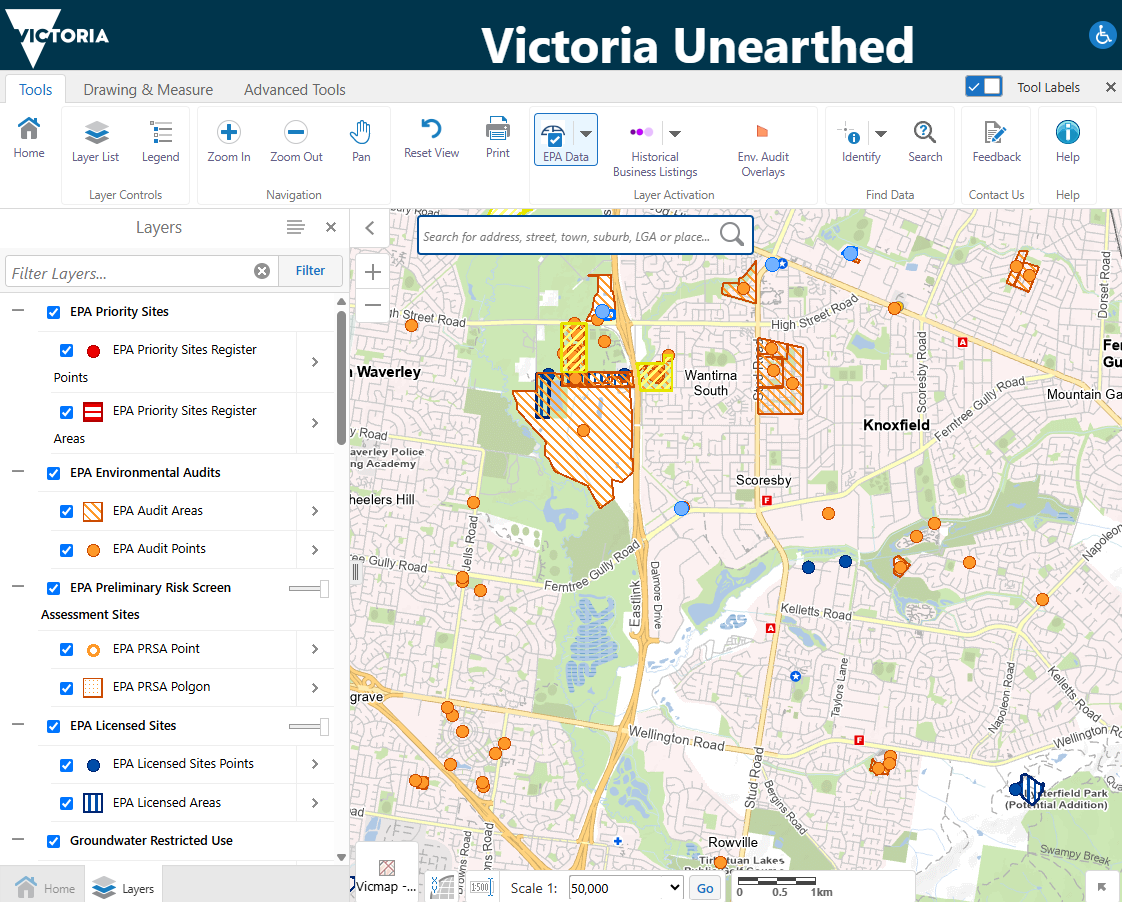
Victoria Unearthed is a useful first screen. Its layers include environmental audits, EPA priority and licensed sites, landfill information, groundwater restrictions and historical business records. It is an information source rather than proof that a site is clean; an address with no mapped record may still warrant investigation.
Former service stations, dry cleaners, car washes, automotive workshops, factories, ports, railway-adjacent land and sites that received unknown fill deserve particular attention. Where the history suggests a higher risk, an environmental consultant can define the appropriate next step, such as a preliminary site investigation, targeted sampling or a more detailed assessment.
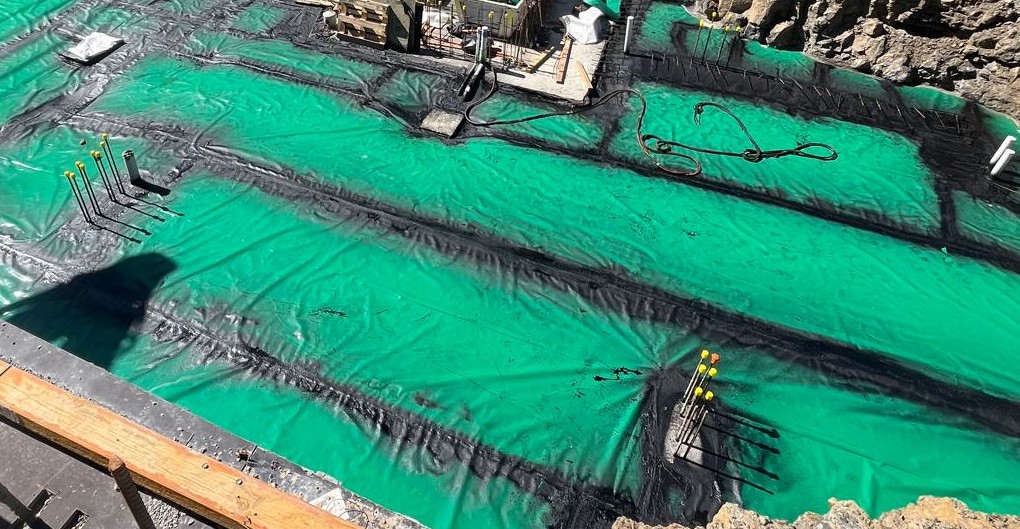
Contamination also affects more than soil disposal. Asbestos fragments in imported fill can alter excavation controls and disposal requirements. Volatile contaminants in soil or groundwater may require a vapour-mitigation system below a new building, with careful detailing at joints, edges and service penetrations.
Put the Unknowns into the Acquisition Model
The objective is not to commission every possible report before making an offer. It is to identify which unknowns could change the land value, design or construction budget, then investigate those items while there is still an opportunity to renegotiate, change the proposal or walk away.
For development land, a concise pre-acquisition review should connect planning information with geotechnical conditions, land-use history, likely excavation volumes, disposal pathways and foundation assumptions. That connection is where technical due diligence becomes a commercial decision rather than a collection of reports.